Anger/Agression
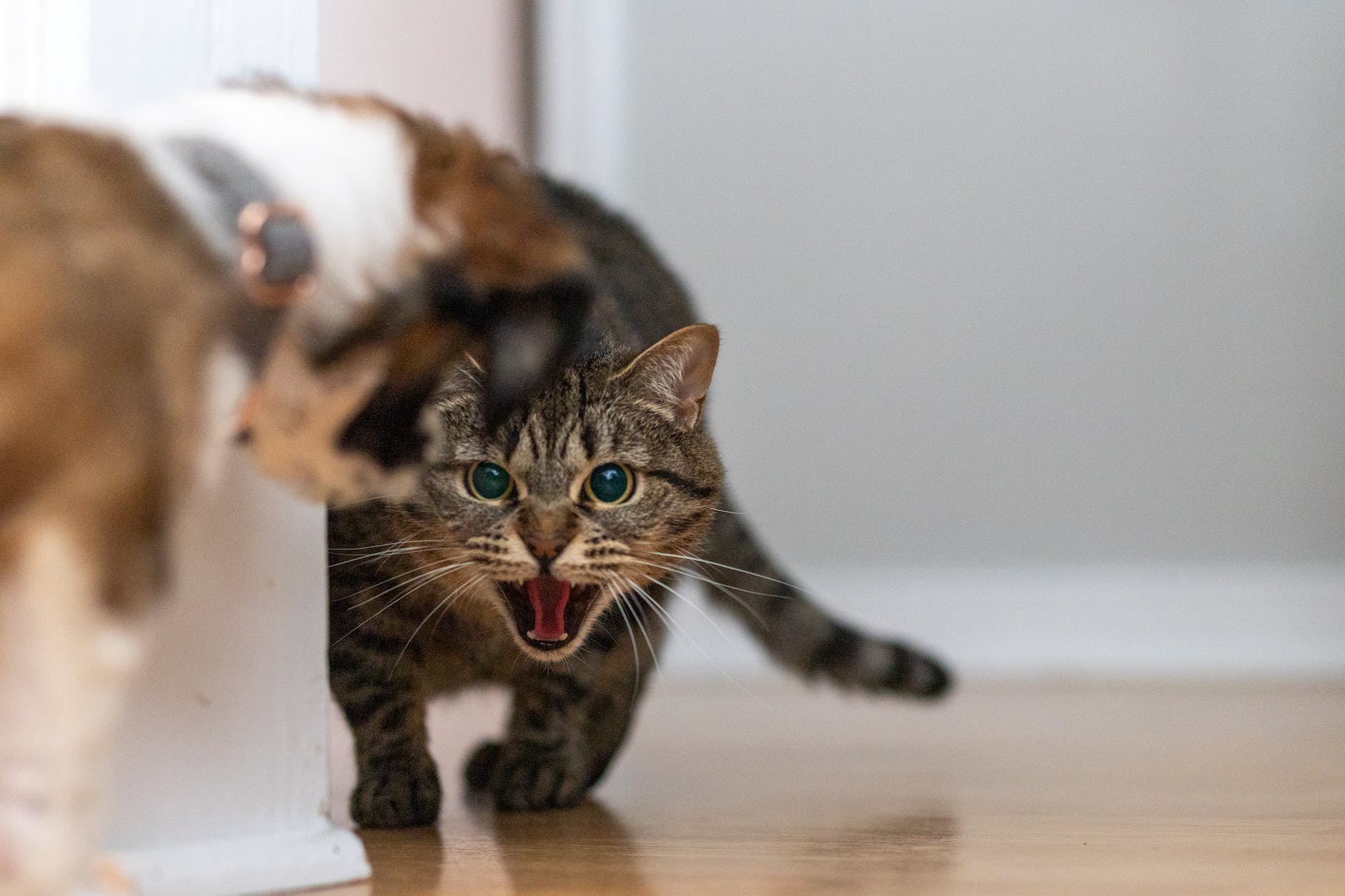
An angry cat will fluff their tail, hiss, spit, and even growl. Never touch an angry cat or they may try to attack. Cats are naturally mellow animals and don’t want to fight, so they will try to bluff their way out of a battle. If bluffing doesn’t work they may hold their ears erect and threaten with a snarl or growl. An angry cat also tends to raise her hackles along her spine and fluff out her fur to appear larger and more dangerous. They will usually only act out aggressively if they are being provoked or bullied, and normally don’t attack without reason. Just make sure to give Kitty some space if she seems upset.
Scared
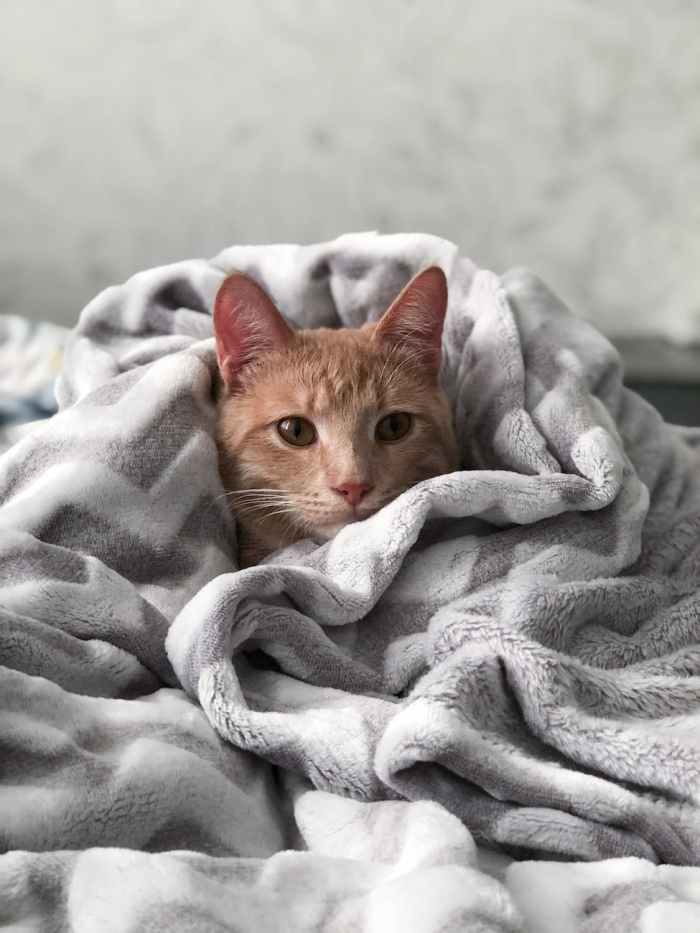
Cats can be easily frightened by loud noises or aggressive actions, and take immediate action by finding the nearest hiding spot. A scared cat might fatten himself to the ground and fold back his ears and whiskers. Scientists think they may do this to make themselves a smaller target or make the threat think they are invisible. Oftentimes, a frightened feline will just bolt for the quickest escape route, but occasionally they will try to bluff bravery by fluffing their fur, stiffening their posture and standing on the tips of their toes. The tail is typically either stuck straight out or curved downwards so that it resembles a question mark. Desensitizing your cat is a good option fix the problem. If your cat is afraid of you, for example, you may sit in the same room with it while still giving it some space every day. Eventually, if the treatment works, your cat will become more comfortable being in your presence.
Sad/Depressed/Grief
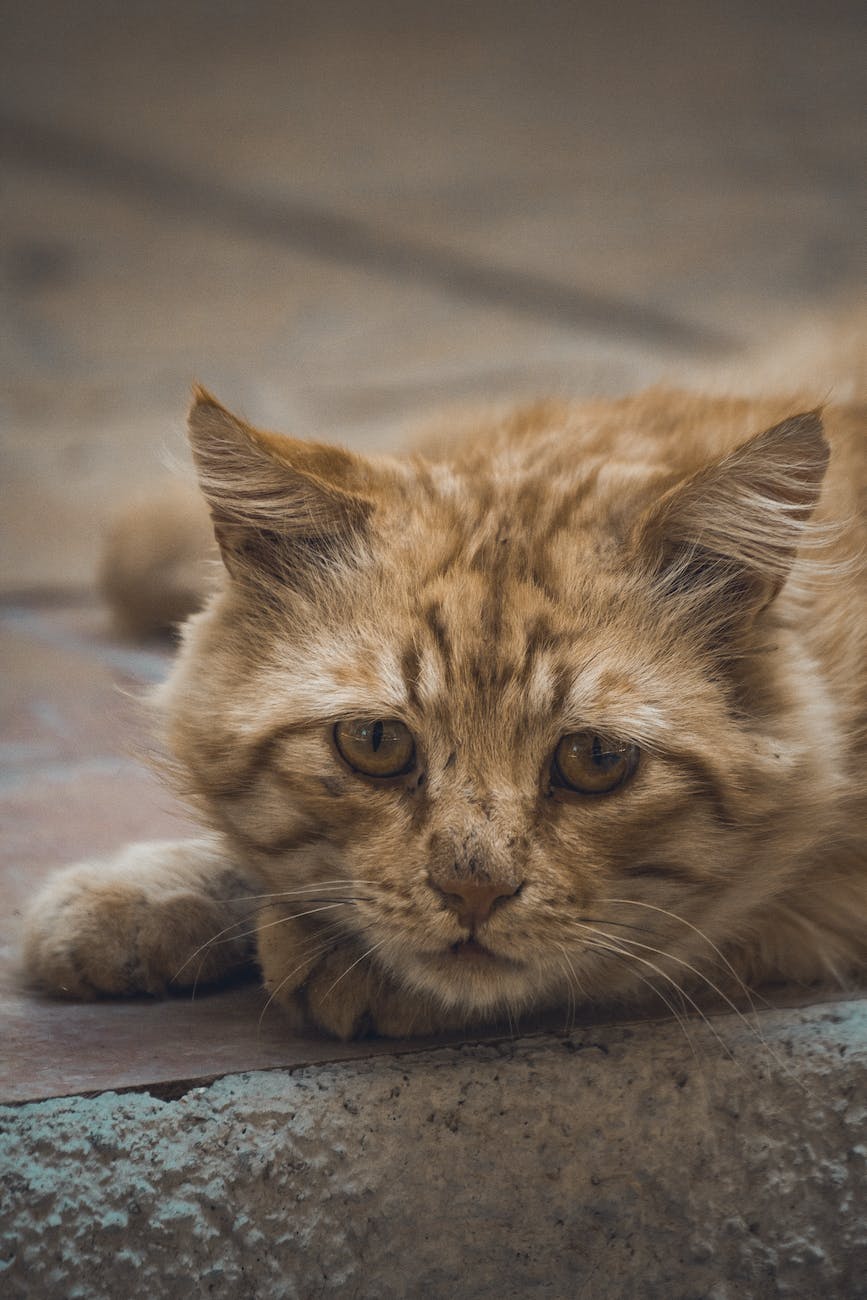
Cats are capable of experiencing sadness and grief like humans. Cats can develop a strong bond with their owners or other family pets, and may become depressed or grief-stricken when they are separated. Their ears will droop, and they may wrap their tail around their paws and slump forward. They may even stop grooming themselves, using the litter box, or eating for long periods of time. A sad cat will sleep more than usual, and be solemnly quiet. Cats can grieve for as long as six whole months. Your cat may need to see a vet, however, if she refuses to eat or becomes matted and thin. The best thing you can do for a sad cat is to give her lots of love.
Happy or Content
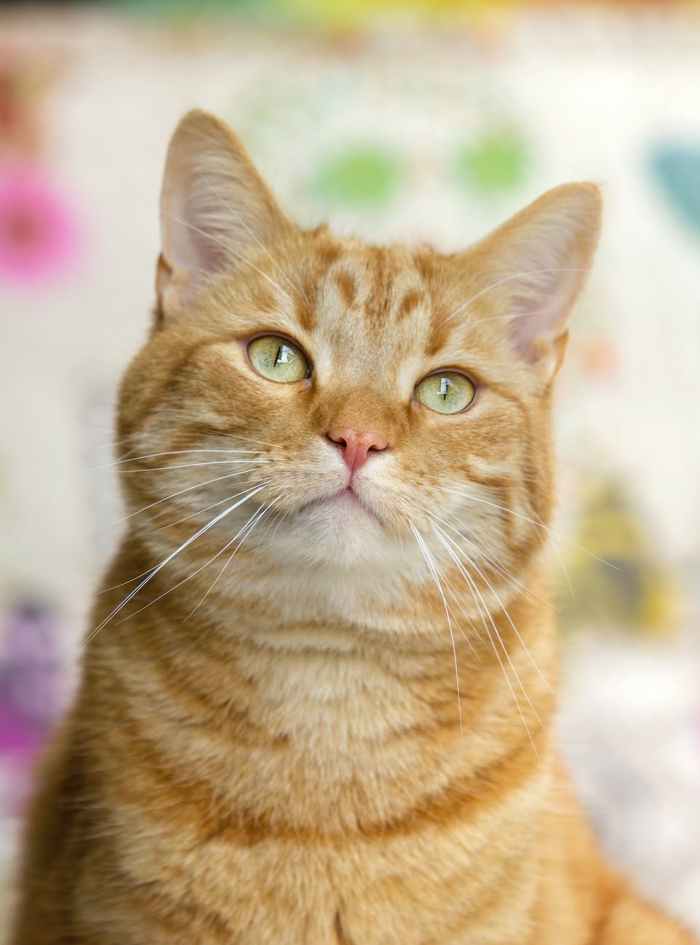
Happy cats are easy to recognize. Their ears are gently perked and their body is relaxed. The whiskers usually droop and they may even meow to show their affection. He may raise his tail in a friendly greeting and rub against your legs while purring cheerfully. Cats also may express their happiness or contentment by jumping into your lap or collapsing on the floor and rolling over to expose their belly. Warning: most cats who roll over to expose their stomachs do not want to be petted there. They do not usually enjoy having their bellies rubbed like dogs. Instead, they may just want your attention or are asking you to pick them up.
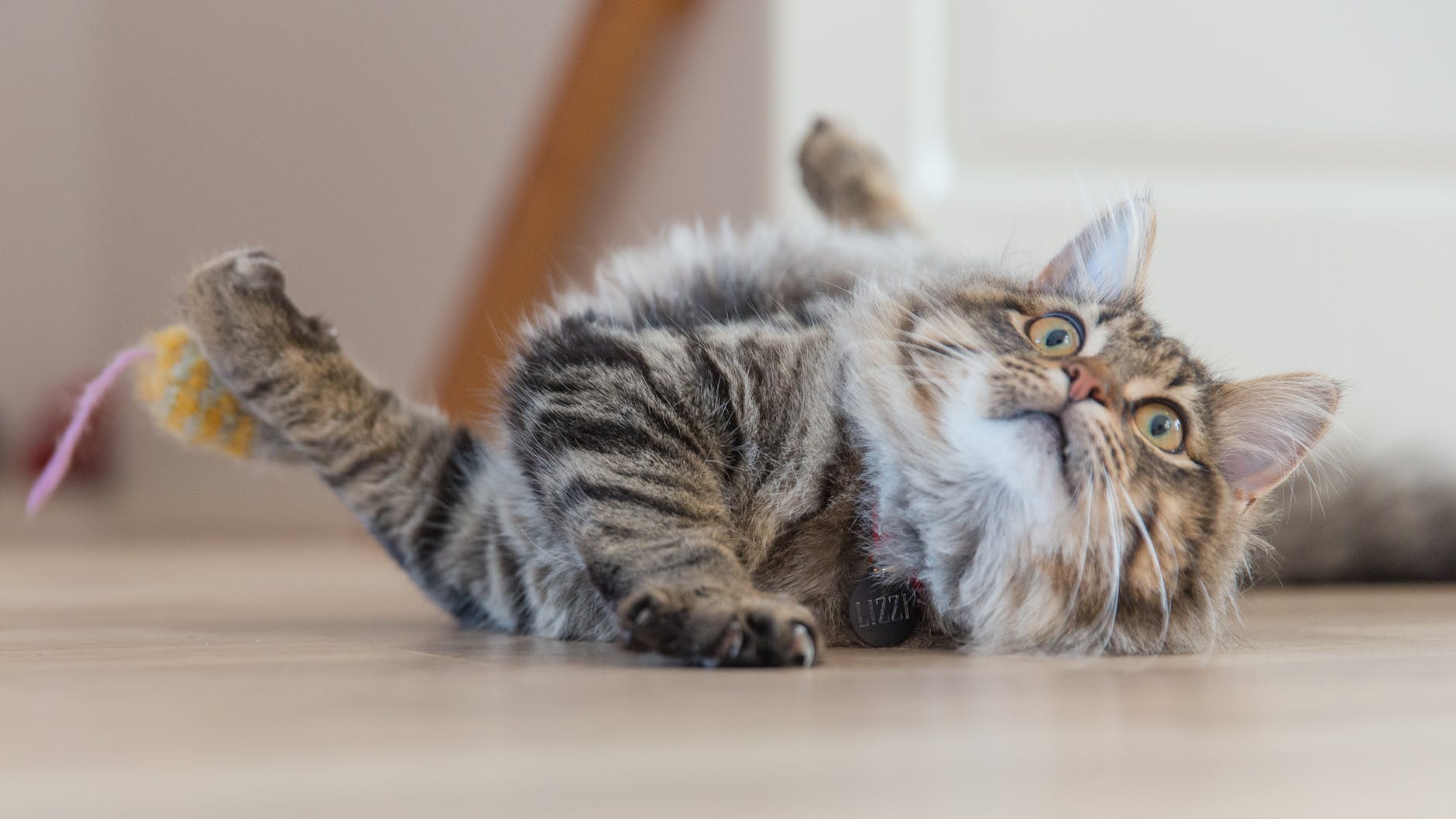
If you have ever owned a kitten, you probably know what playful cat looks like. Kittens are bundles of endless energy. They will play-fight and chase each other, and run around all in good fun. As cats get older, however, they may not be as interested in doing these things. In fact, most adult cats won’t play with other cats. So what can you do to keep your kitty active? Engaging cat toys do not have to be expensive. A cat will be perfectly content with a plain paper bag to hide in or a feather attached to a rod to chase and tackle. She may also find it amusing to play with bubbles or a toy ball. An important thing to remember when giving toys to your cat: the toy must be easily torn apart. Cats like to play with things they can easily destroy. If the toy is too hard or too sturdy, it will not engage the cat’s interest. Just make sure that whatever you let your cat play with does not pose a choking or suffocation hazard. A playful cat might roll around on the floor or just leap up in the air and claw at invisible objects.
 Kittentummies.com