
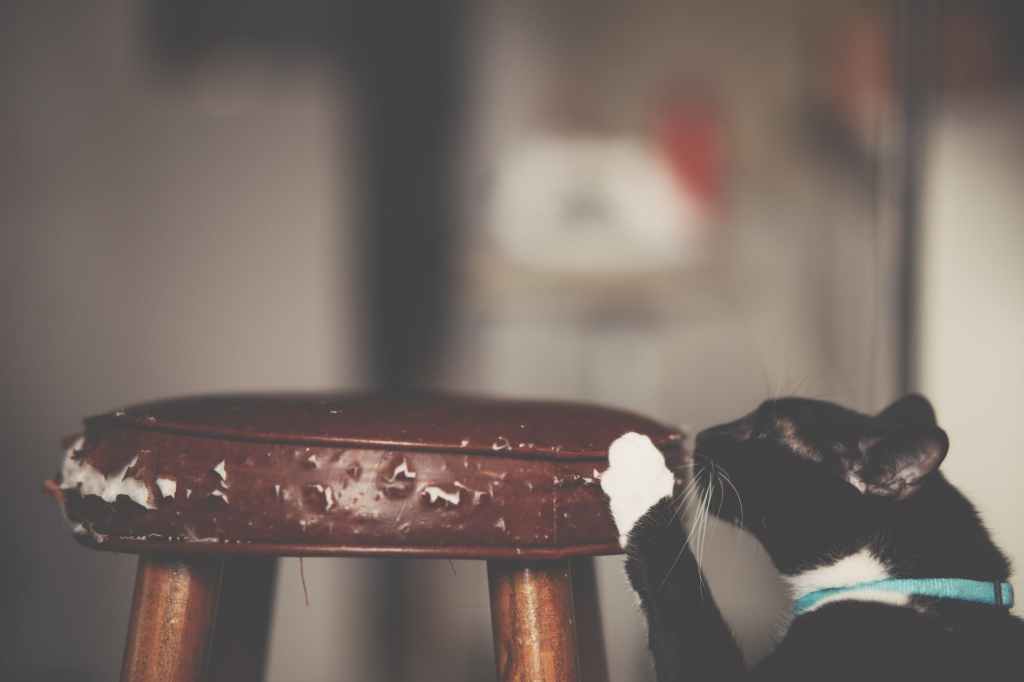
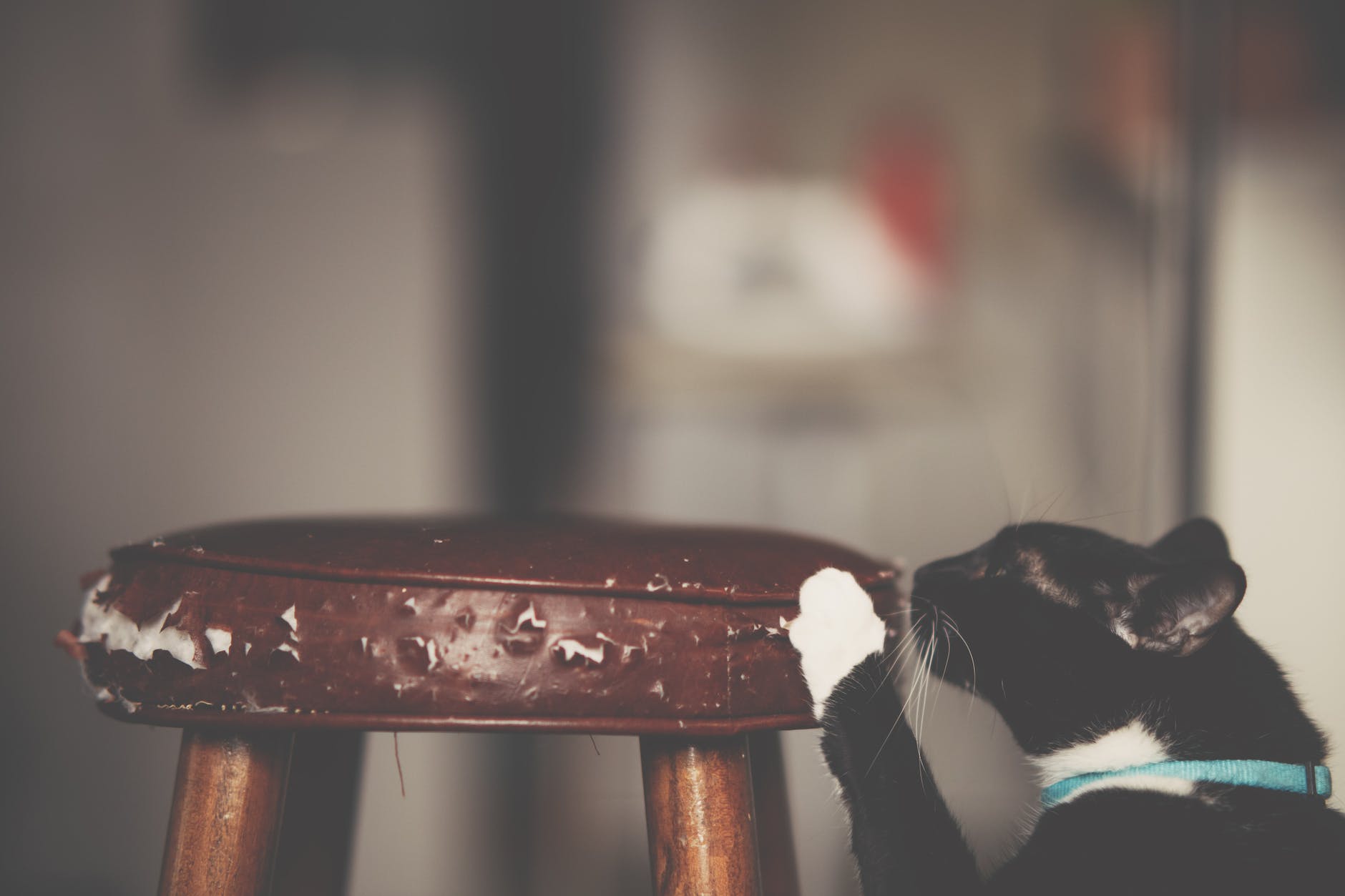
Problem one: destruction of furniture
This problem is probably the most common. And probably one of the most irritating. A lot of cat owners end up getting rid of their cat after the destruction of their beloved furniture, which is sad, because the issue can be easily solved. Cats are naturally wild animals. They don’t claw the couch to make you mad. The do it to shed the old covering off of their claws so that a new layer can grow. The simplest way to fix this is to train your cat/kitten to use a scratching post. Place several posts in convenient locations around your house, or place one in a common room. Give your kitty some praise when she uses them to promote the good behavior. If a kitten begins to claw the furniture, say a sharp “NO!” to discourage her and bring her to the scratching post. As for adult cats, spray it with water of startle it by tossing a newspaper or something noisy beside it. (Be careful not to hit it.) You can also cover your cat’s preferred scratching site with aluminum foil or double-sided tape. Scents such as a mild menthol, citrus, or vinegar can repel some cats. Another option is to cover your cat’s claws with acrylic caps called “Soft Paws”. The caps need to be replaced every once in a while, as the tend to fall off during nail growth. Training your cat not to tear up furniture is challenging, but once it realizes the consequences for the unwanted behavior, it should refrain from the action.
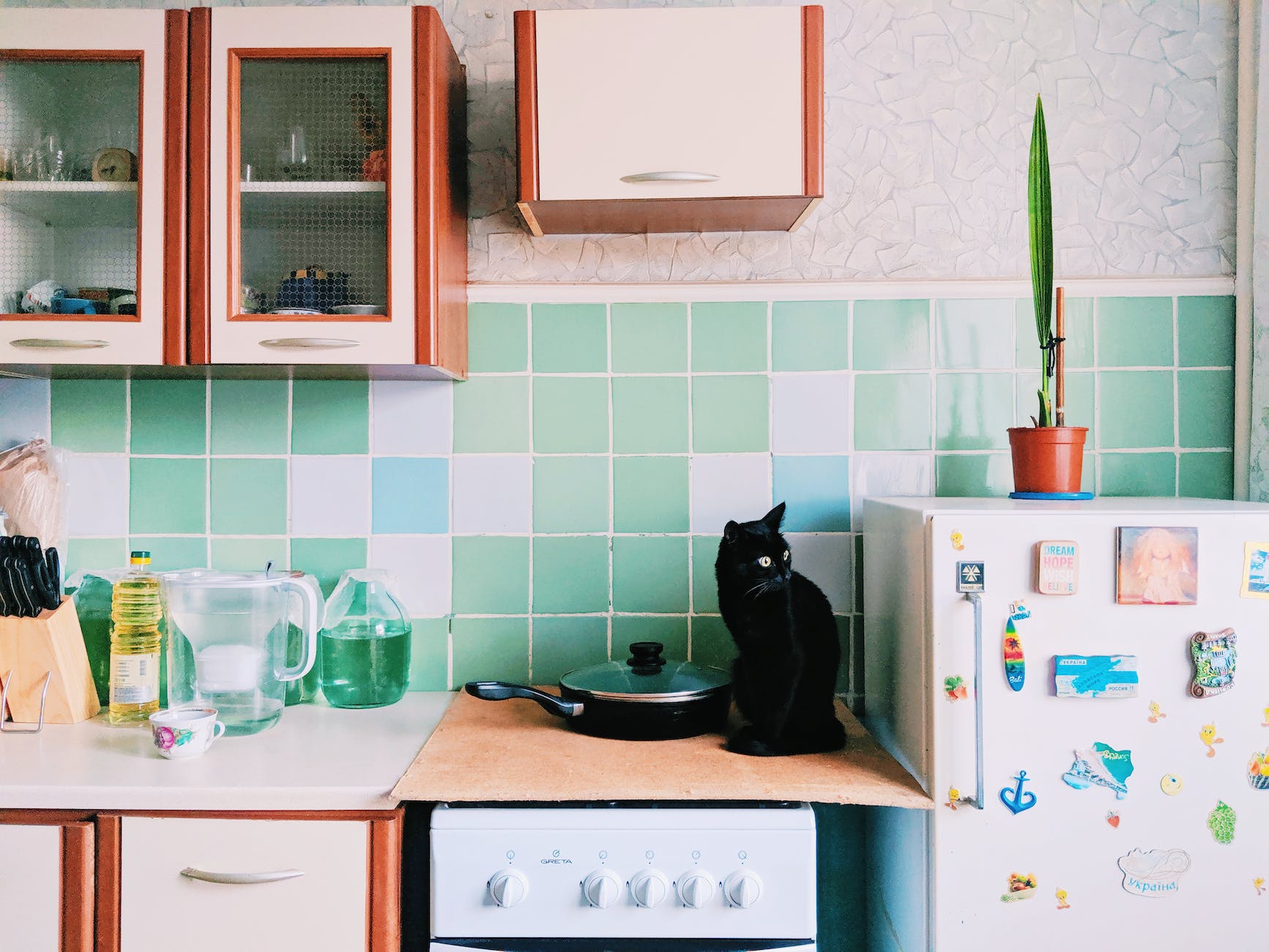
Problem two: leaping up on the counter
This behavior is hazardous to your cat’s health, as it could accidentally step on the stove and suffer a nasty burn. If you happen to be around to see your cat do it, you can spray the cat with water as it is in mid-leap. Some naughtier felines may jump up only when they think you are not paying attention. If this is your situation, pretend not to notice as it is preparing to jump and blow a whistle or clap your hands loudly.
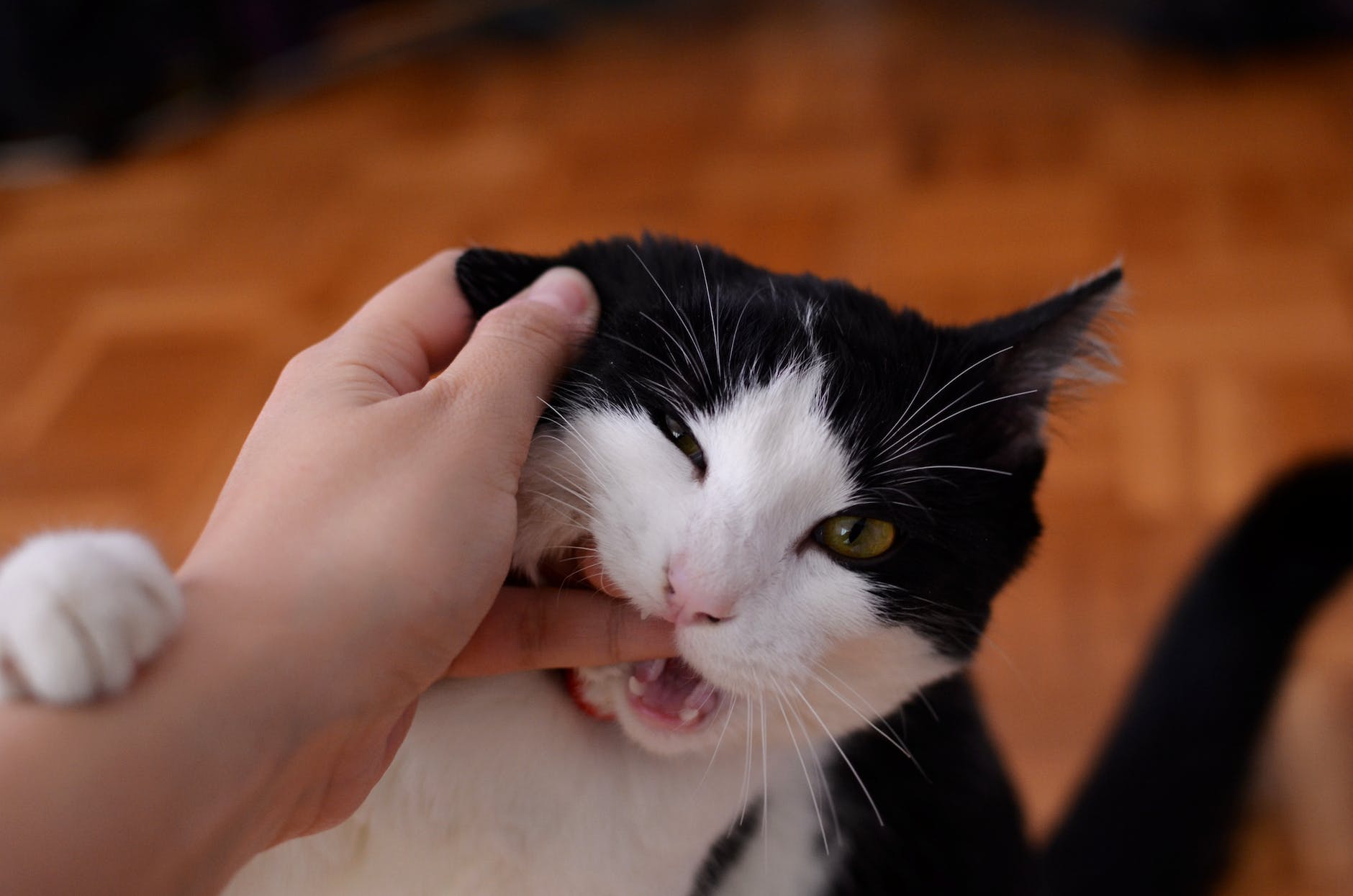
Problem three: Inappropriate biting
Biting is unacceptable behavior and should not be encouraged. Cats usually bite when they are in a playful mood, but they do not realize how much it can hurt. (It is more acceptable from kittens, however.) If you are bitten by your cat, pinch its tongue and hold it for a few seconds and say “NO!” sharply.
Problem four: Digging in the plants/houseplants
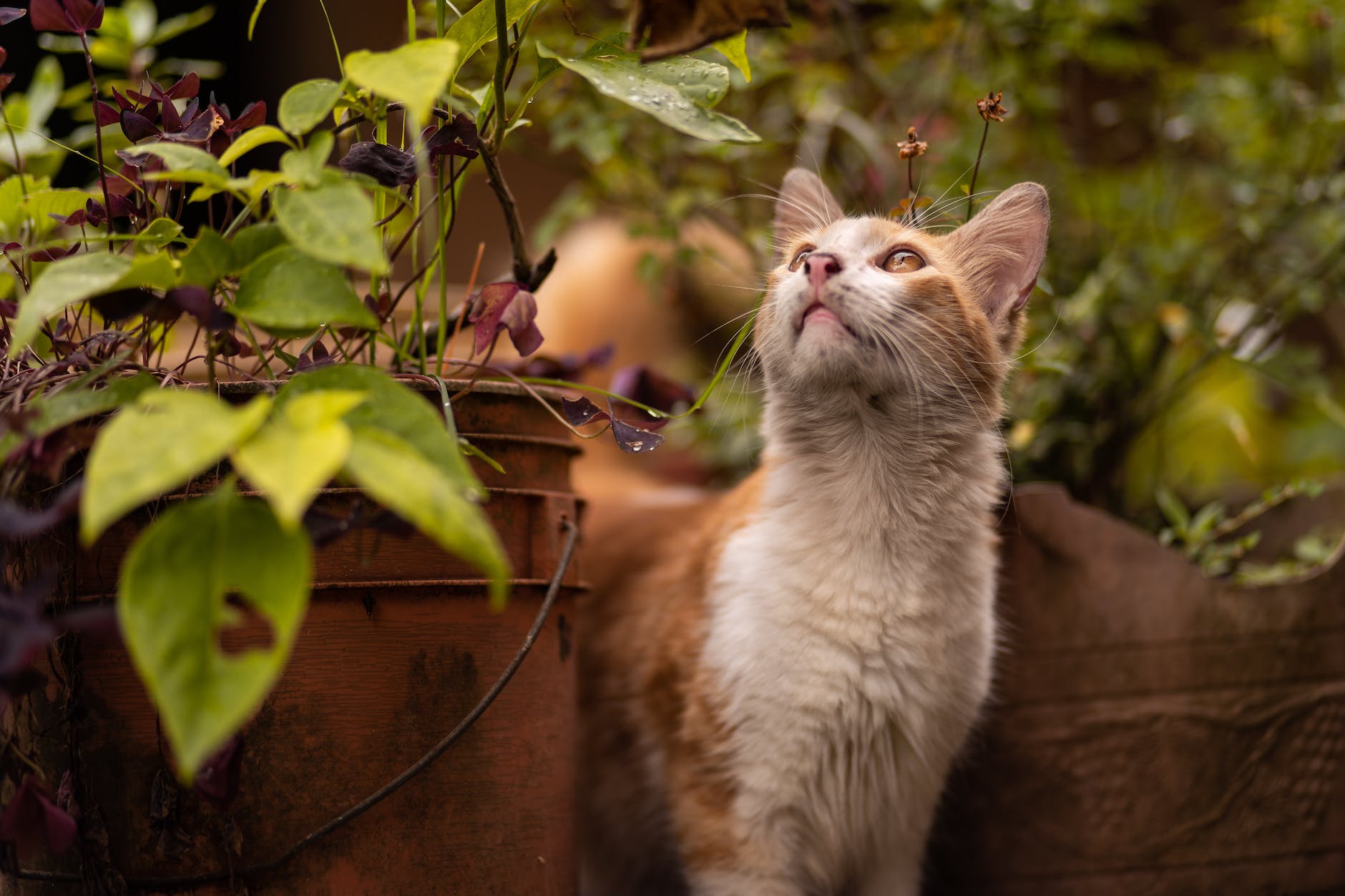
Cats can assume a houseplant or plant pot is a convenient spot to use the bathroom, of they may just enjoy digging in the soil. This problem has a very simple solution. Fill the the top of the plant holder with small pebbles or gravel. Cats do not enjoy the feel of loose crumbly stones under their paws, so it is a very effective method.
Problem five: midnight mania
Some cats tend to get extremely active at night, and some may demand attention by caterwauling, or making a loud wailing noise. Cats that do this often expect their owners to wake up to play with them. It may it jump onto your bed and try to wake you up. It is a good idea to engage your cat more often during the day so that it does not feel like it missed out on playtime. You can also shut it in a designated room at night. This method should help you — and your kitty get a good night’s sleep.

Problem six: excessive chewing of objects
Some cats, especially the oriental breeds, may chew objects excessively. This can be a sign of boredom, or the cat may also be returning to its kitten behavior as a way to soothe possible stress. This can be resolved by spraying the object(s) that the cat chews on with pepper or citrus to deter the behavior.
 Kittentummies.com