Meet the breeds! This part of the site is especially for to-be cat owners who haven’t found the perfect match yet. Below the name of the breed are important details that pertain to origin, grooming requirements, and health concerns. Enjoy browsing this collection of breeds! Also make sure to check out my page about the top ten most popular cat breeds!
Abyssinian
Origin: Asia
Coat length: shorthaired
Coat pattern: ticked
Coat maintenance needed: low
Possible health problems/complications:
Hypertrophic cardiomyopathy (HCM)
Diabetes mellitus
Progressive retinal atrophy
Pyruvate kinase deficiency
Stress-related hair loss
Gingivitis
Patellar luxation
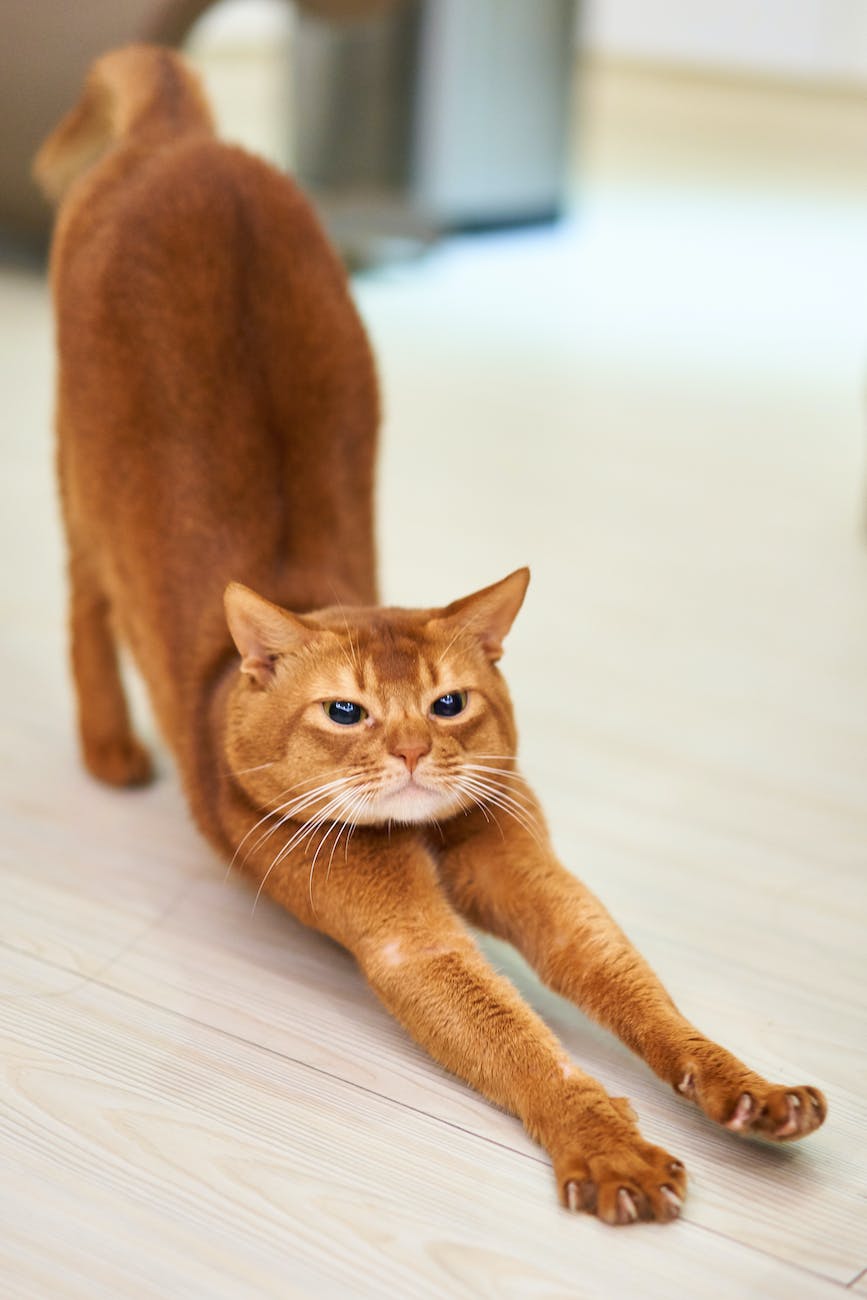
The Abyssinian is a very bold and energetic breed, with a lovely rusty or brownish red coat. These cats are curious and constantly active. They enjoy exploring odd places and amusing themselves with almost anything. They are very loving and generally gentle, but are not suitable lap cat material.
This breed is a little less common than most, and is not widely kept in the United States. They are more suited to being outdoor cats, in most cases, as their energy level may not be something you will want in your house all day long. The Abyssinian also comes in a gorgeous longhaired form, although the brownish-red version is very rare.
American Bobtail
Origin: USA
Coat length: longhaired and shorthaired
Coat pattern: variety of patterns
Coat maintenance needed: moderate
Possible health problems/complications:
Generally healthy breed
No strongly associated genetic conditions
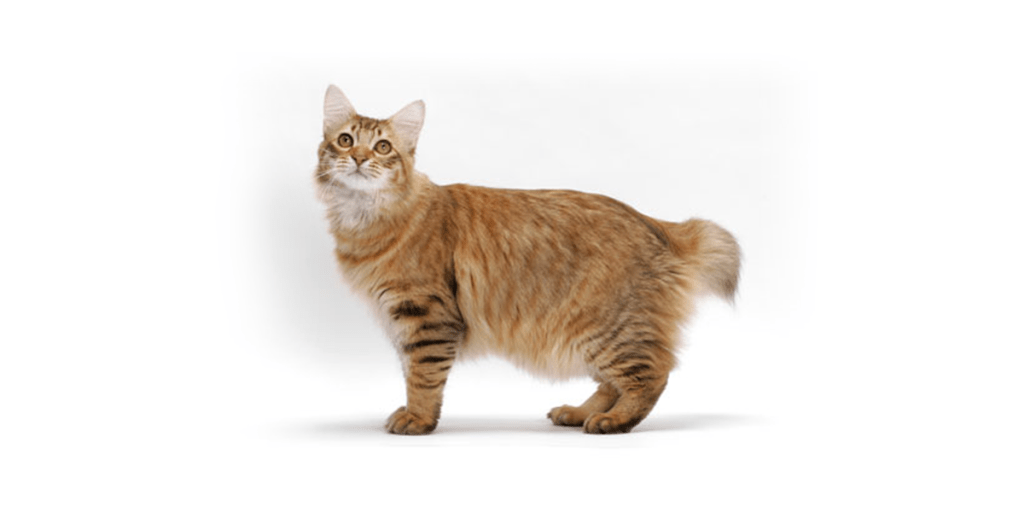
The American Bobtail is a very loving and extremely intelligent breed that can easily adapt to their environment, whether busy or quiet. A cool fact about this breed is that no two tails are exactly the same! American Bobtails bond well with their families and are usually tolerant of dogs. They are also generally welcoming of new household pets.
These cats have a very wild appearance, and are very well-muscled. The eyes are almond-shaped and can be copper, gold, yellow, green, blue, orange, brown, ice blue, or a striking sunset gold. They also have cute, comma-shaped eyebrows! The coat is also highly variable, and can come in every category, division, or color. It is very resilient and is resistant to water.
American Bobtails usually eat too much, so you may have to limit the amount of dry food you give it and ask your veterinarian about feeding. Longhaired American Bobtails need to be brushed a couple times a week.
American Curl
Origin: USA
Coat length: longhaired and shorthaired
Coat pattern: variety of patterns
Coat maintenance needed: low
Possible health problems/complications:
Can be prone to ear infection
Generally healthy breed
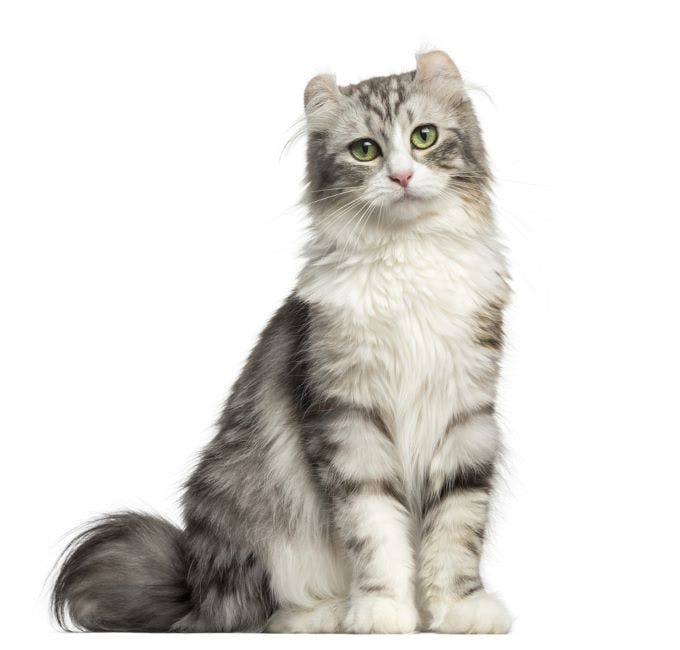
The American Curl is a very hearty breed that is playful and intelligent, but also gentle. These cats love people! They can be very physically affectionate by rubbing their owner’s chin and sitting on their shoulders. American Curls are very acceptant of rough play, and like to play with young children. They can be quiet and not overly active, but they are very curious about their environment and have lots of personality. They love new challenges of their intelligence, and can even be trained to walk on a leash and fetch and retrieve.
American Curls are extremely variable in appearance, from coat color to eye color. The coat patterns include all colors and combinations, including Himalayan pattern, shaded, smoke, chinchilla, and bicolors.
The American Curl has no special dietary needs, and requires very little grooming, because its coat rarely mats.
American Shorthair
Origin: USA
Coat length: shorthaired
Coat pattern: variety of patterns
Coat maintenance needed: low
Possible health problems/complications:
Inherited craniofacial defects
Hypertrophic cardiomyopathy (HCM)
Feline hip dysplasia
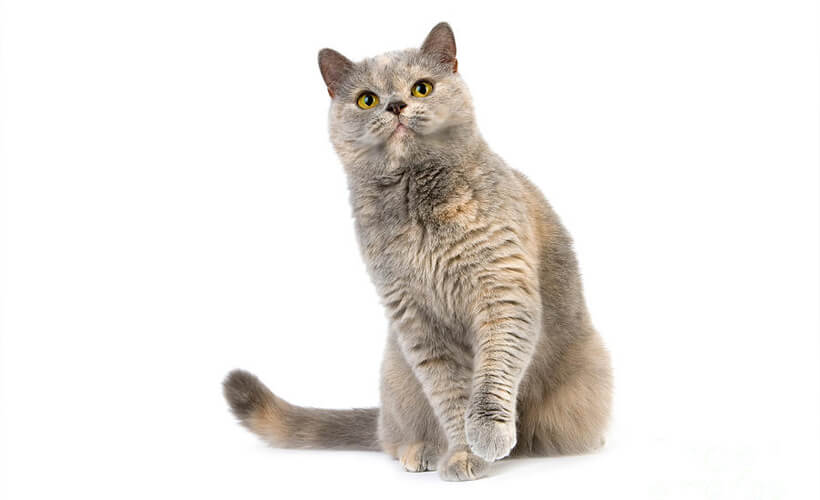
The American Shorthair is the sixth most popular cat in the USA. These adorable kitties are extremely good-natured, and have a quiet disposition. They are gentle companions, yet they are an active member of their family. They are also good playmates for children. They will tolerate being dressed in costumes and very rarely scratch or bite. American Shorthairs sometimes act like dogs. They will run to the door to greet you, and follow you around the house. They aren’t really fans of being picked up, but they are good lap cats and enjoy the company of people. You can train you American Shorthair to come when called, fetch toys, stay off of specific furniture or objects in the house, and use a scratching post.
These cats require no special diet or care, but they tend to become obese, and you must be careful not to overfeed them. Grooming should begin as soon as the kitten leaves its mother so that it can become accustomed to being brushed. They are very low-maintenance, so grooming is only necessary once or twice a week.
American Wirehair
Origin: USA
Coat length: shorthaired
Coat pattern: variety of tabby patterns
Coat maintenance needed: low
Possible health problems/concerns: No strongly associated genetic conditions
No strongly associated genetic conditions
Generally healthy breed
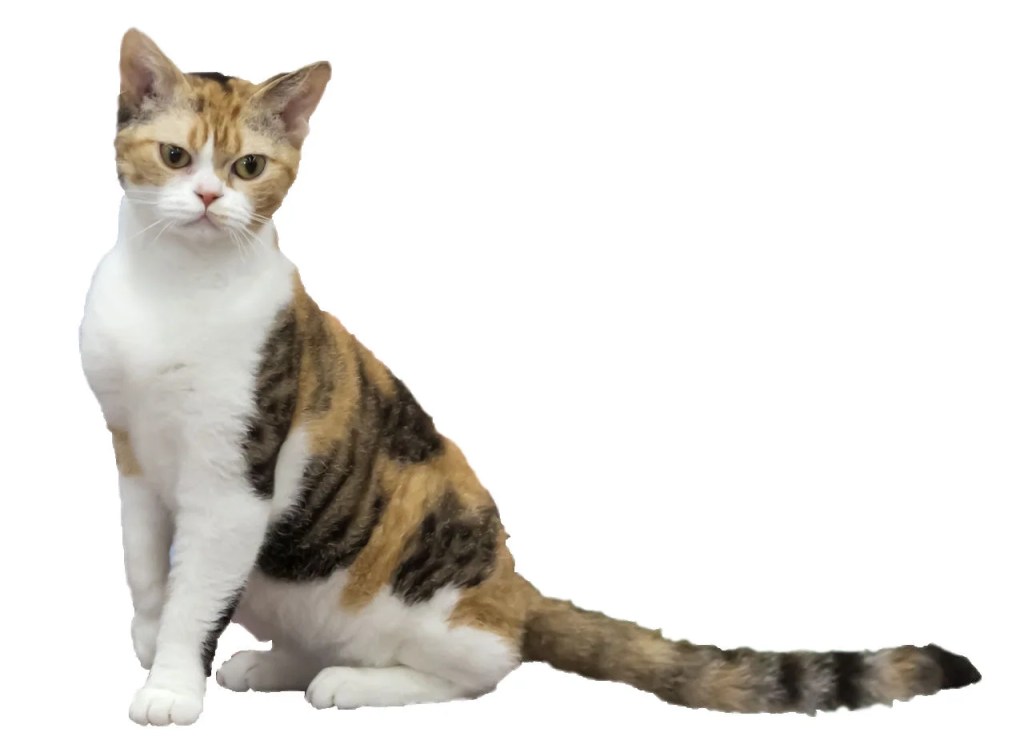
The American Wirehair is characterized by its beautiful, curly fur. It is usually coarse to the touch, and the whiskers also curl. They are also super rare! This breed can be any color or pattern, except those that indicate hybridization. The eye colors include hazel, green, a stunning gold, deep blue, or odd-eyed (one gold eye and one blue eye).
It is hard to make generalizations on this breed’s temperament, because their numbers are so few. However, they can be playful and inquisitive, and are super sweet and very much people cats.
These cats should be fed a cat food that is good quality and may need to be given an additional vegetable enzyme for insurance.
Balinese
Origin: USA
Coat length: longhaired
Coat pattern: pointed
Coat maintenance needed: moderate
Possible health problems/complications:
Progressive retinal atrophy
Strabismus (crossed eyes)
Systemic amyloidosis
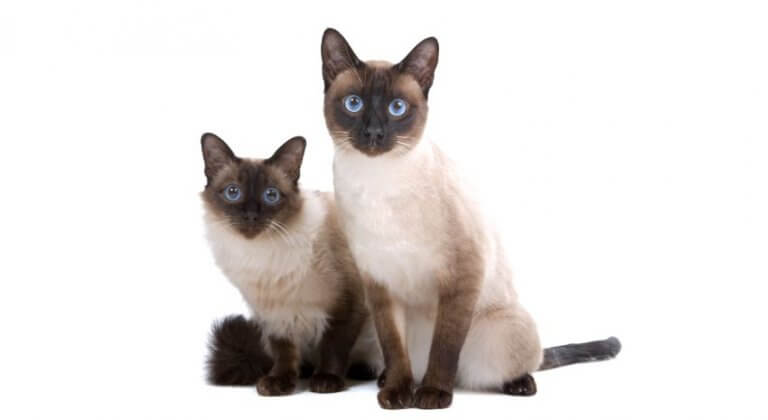
The Balinese is a gorgeous breed that is basically the longhaired version of a Siamese. The eras are large, and the eyes are slanted and almond-shaped, identical to the Siamese. They have very sleek frames and the tail tapers at the end. They have dainty paws and a very silky and delicate coat. Balinese come in the pointed patterns (seal point, blue point, chocolate point, and lilac point). The eyes are bold, deep blue.
The Balinese love to be involved in whatever their owners are doing, and have very sweet and loving dispositions. They bond closely with their people and enjoy being entertained by their family. A Balinese will cheer you up when you are feeling down and comfort you if you are feeling ill. If you are happy, then they are happy. They play with much energy and enthusiasm. Much like its Siamese cousin, the Balinese is extremely vocal and will respond to you with a variety of meows when they are talked to. They are very intelligent and curious, and, also like the Siamese, they will get bored if they cannot find anything to entertain them. this can cause them to become destructive if not properly disciplined. You can make them toys to play with; don’t think too hard about it, as they will play with practically anything.
These pretty kitties require a proper diet and need lots of good exercise to maintain their healthy frame and soft coat. Despite their sophisticated look, Balinese are not picky eaters and don’t require any kind of special diet. They are easy to groom, as their coats do not mat, unlike the double coat characteristic of many other longhaired breeds.
Bengal Cat
Origin: USA
Coat length: longhaired and shorthaired
Coat pattern: marbled, rosetted, and spotted
Coat maintenance needed: moderate
Possible health problems/complications:
Erythrocyte pyruvate kinase deficiency
Progressive retinal atrophy
Hypertrophic cardiomyopathy (HCM)
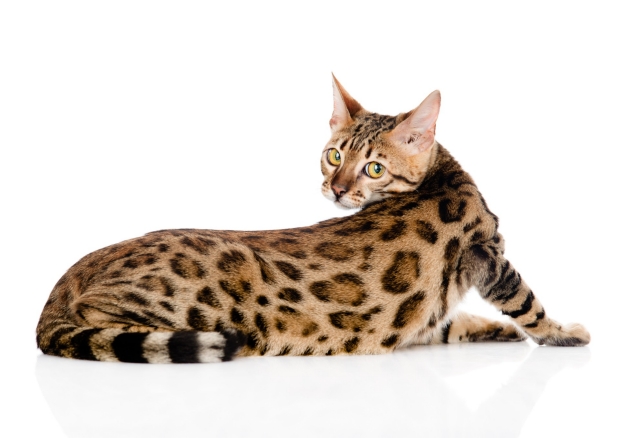
Bengals are absolutely stunning cats with strikingly spotted fur that resembles that of a leopard. They have long bodies and muscular legs that are slightly longer in the back. The tail is thick and tapered at the end. The coat is usually very soft and luxurious. The eyes are hazel, brown, green, gold, or copper-colored. The variety known as the Snow Bengal can have blue, blue-green, or aqua-colored eyes.
The Bengal is very rowdy and energetic and has a tendency to get into mischief. They are very vocal and infatuated with water. They will play with the tap water that runs from your sink. A person looking to purchase a Bengal should ask how many generations removed Bengal kittens are from their wild ancestors. The best Bengal cat companions are at least four generations removed.
This breed should be given a high-quality food, and their fur only needs to be brushed once every week.
Birman
Origin: Myanmar
Coat length: longhaired
Coat pattern: solid point, and lynx point
Coat maintenance needed: low
Possible health problems/complications:
Hypertrophic cardiomyopathy (HCM)
Feline Infectious Peritonitis
Congenital cataracts
Hemophilia B
Early renal failure
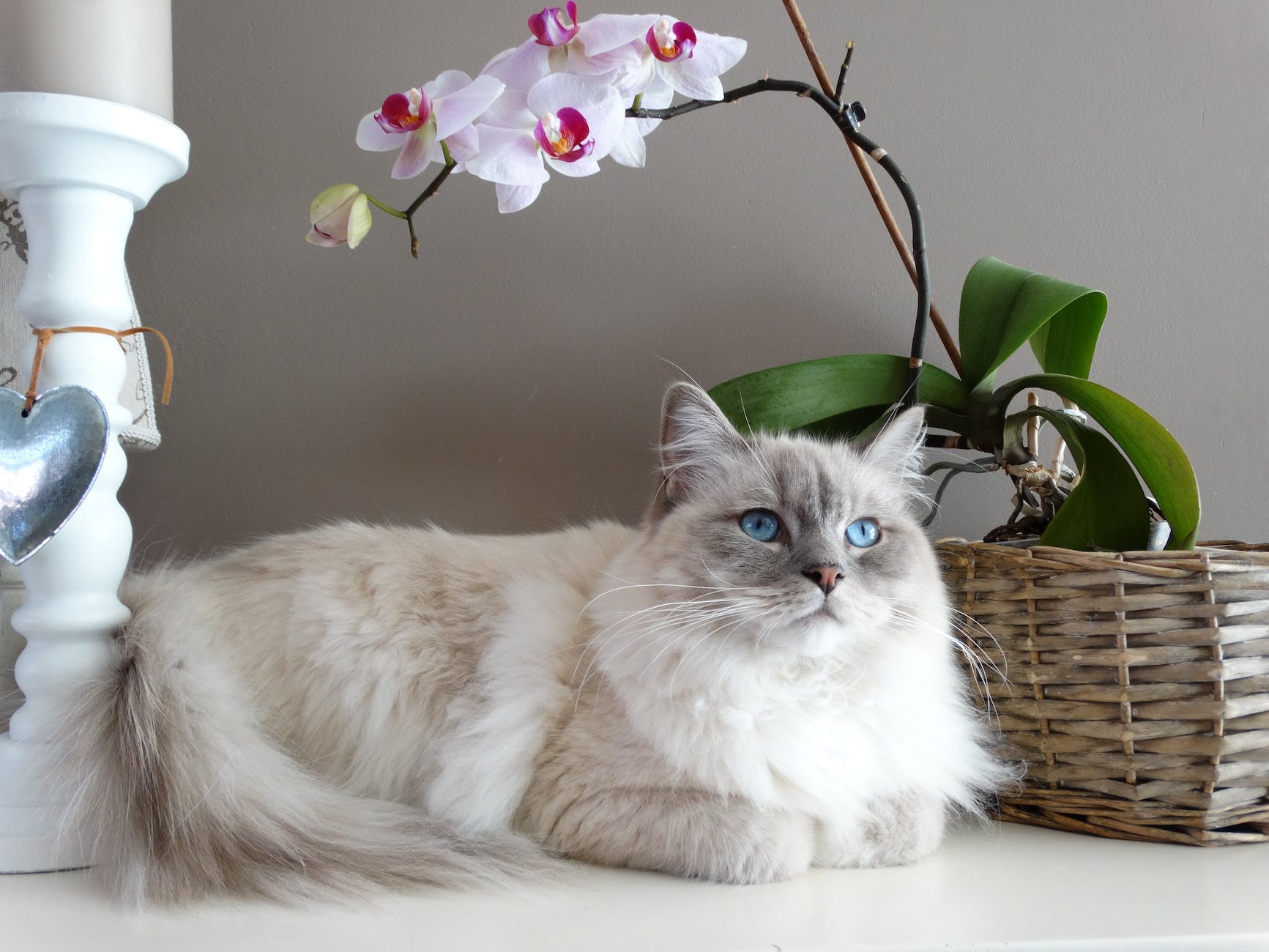
The beautiful Birman is a very popular breed, noted for its sweet and gentle nature. These cats are perfect pets, mainly because they are not desperate for attention, and are very tolerant of children, particularly toddlers. They like to be close to their people, especially the kittens. They have very soft “bell-like” voices, and like to have conversations with you. Birmans have a very pleasing purr, and some will sit next to you and purr for hours, because they are delighted to be close to you. This breed is not hard to entertain, as they will play with the most unusual items (like bottle corks for example).
The Birman has a strikingly attractive long-haired coat, which is cottony-soft. This may pose a problem for
Maine Coon
Origin: USA
Coat length: longhaired
Coat pattern:
Possible health problems/complications: hypertrophic cardiomyopathy (HCM)
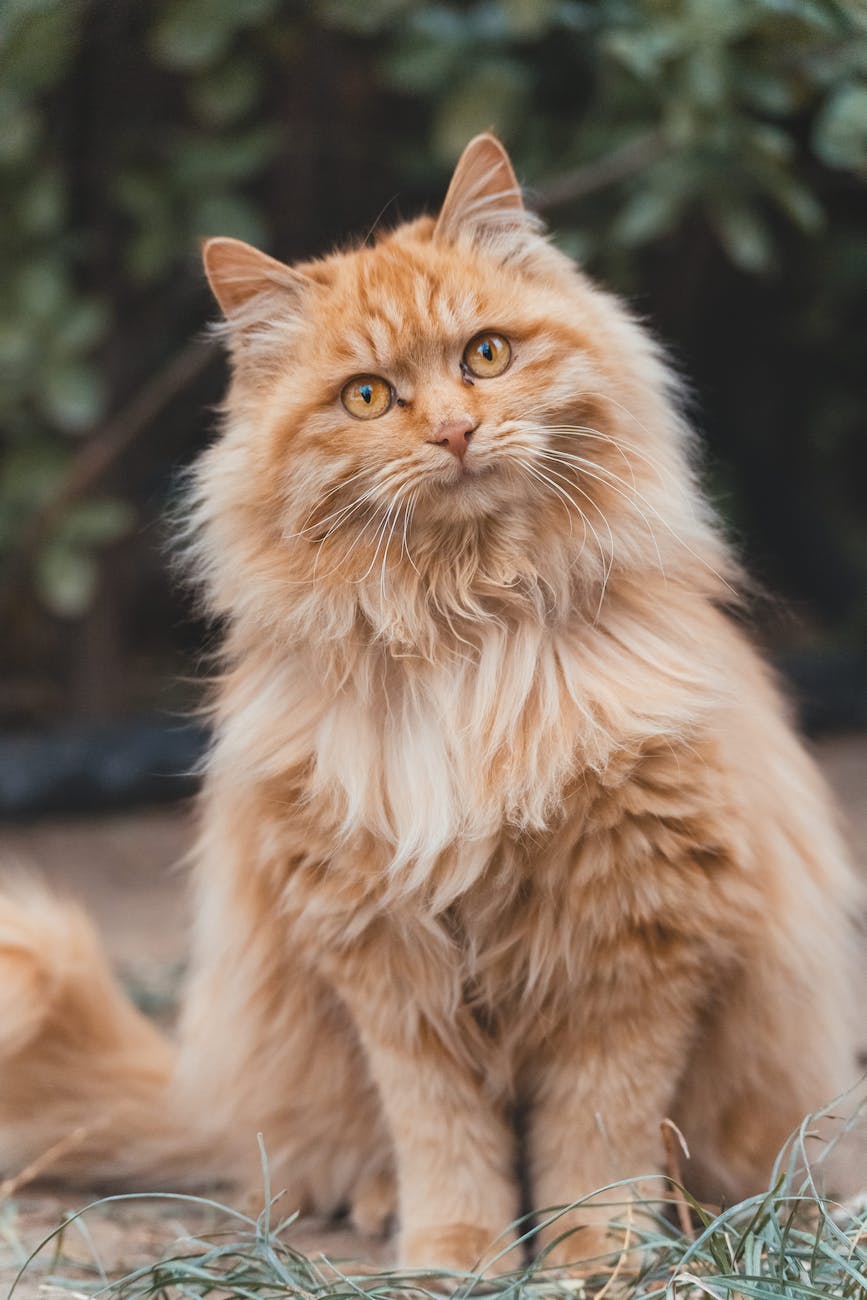
The fur color is highly variable, coming in almost any shade or pattern. Maine coons are sweet-tempered and intelligent, and are very playful. However, they are not typically the kind of breed that will snuggle in your lap. They are very active and frisky cats. This breed prefers a more natural diet, and enjoys being outdoors. Some Maine coons can even be trained to walk on a leash! These cats share many doglike characteristics.
The Maine Coon is North America’s oldest, natural, long-haired breed.
The head and nose are of medium width and length. The muzzle is squared and the cheekbones are high and well defined. Tufts of fur on the ears give this cat a unique appearance. The ears are also tapered and look pointed and alert.
The body is large and muscular, but not cobby. It should be long enough to suggest a rectangular and well balanced look. It is one of the largest (domestic) cat breeds. A male Maine Coon may weigh 12-18 lbs, and females may weigh 10-14 lbs. The legs have medium length, and are sturdy and strong.
Siamese
Origin: Thailand
Coat length: shorthaired
Possible health problems/complications:
Feline OCD
Diabetes mellitus
Feline hyperesthesia syndrome
Crossed eyes
Lung infections
Vestibular disease
Neoplastic and gastrointestinal disorders
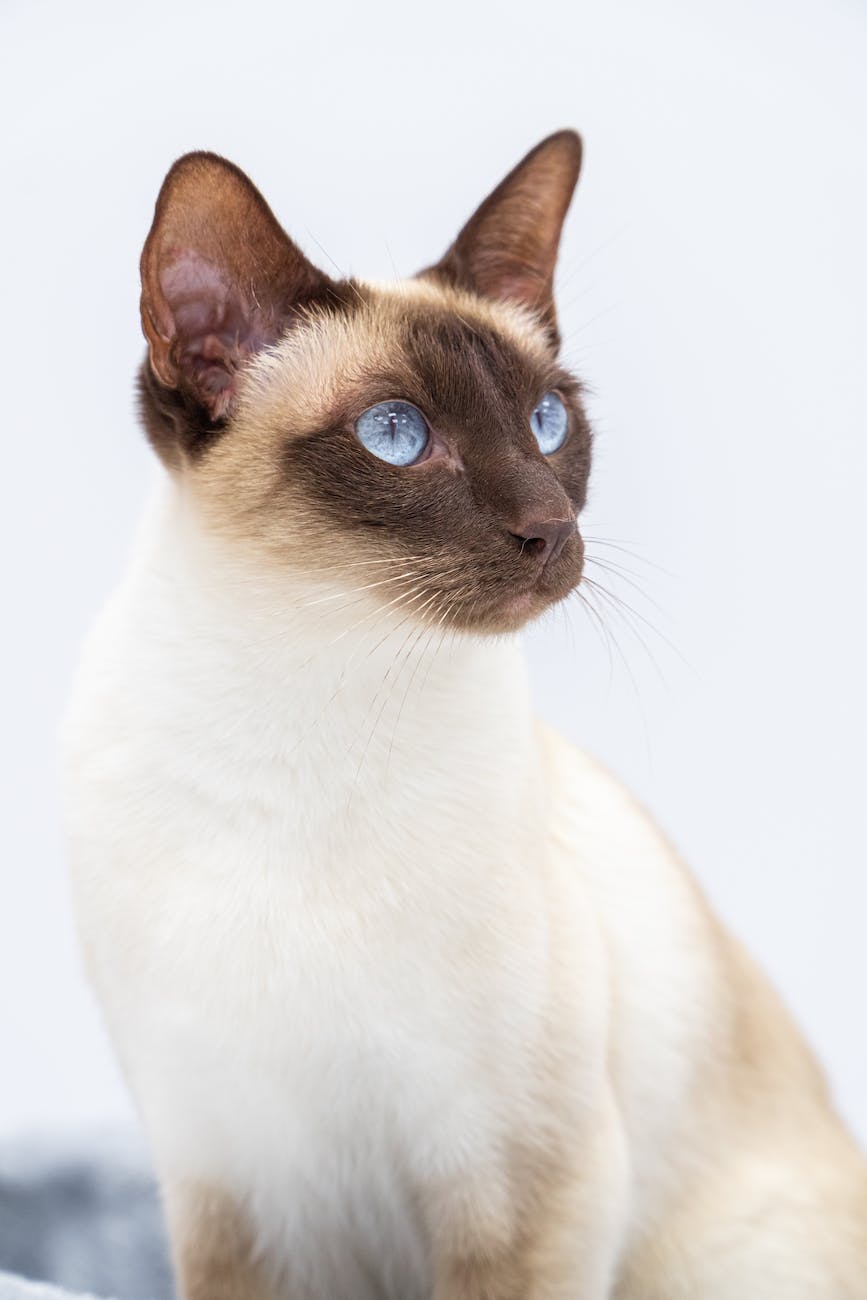
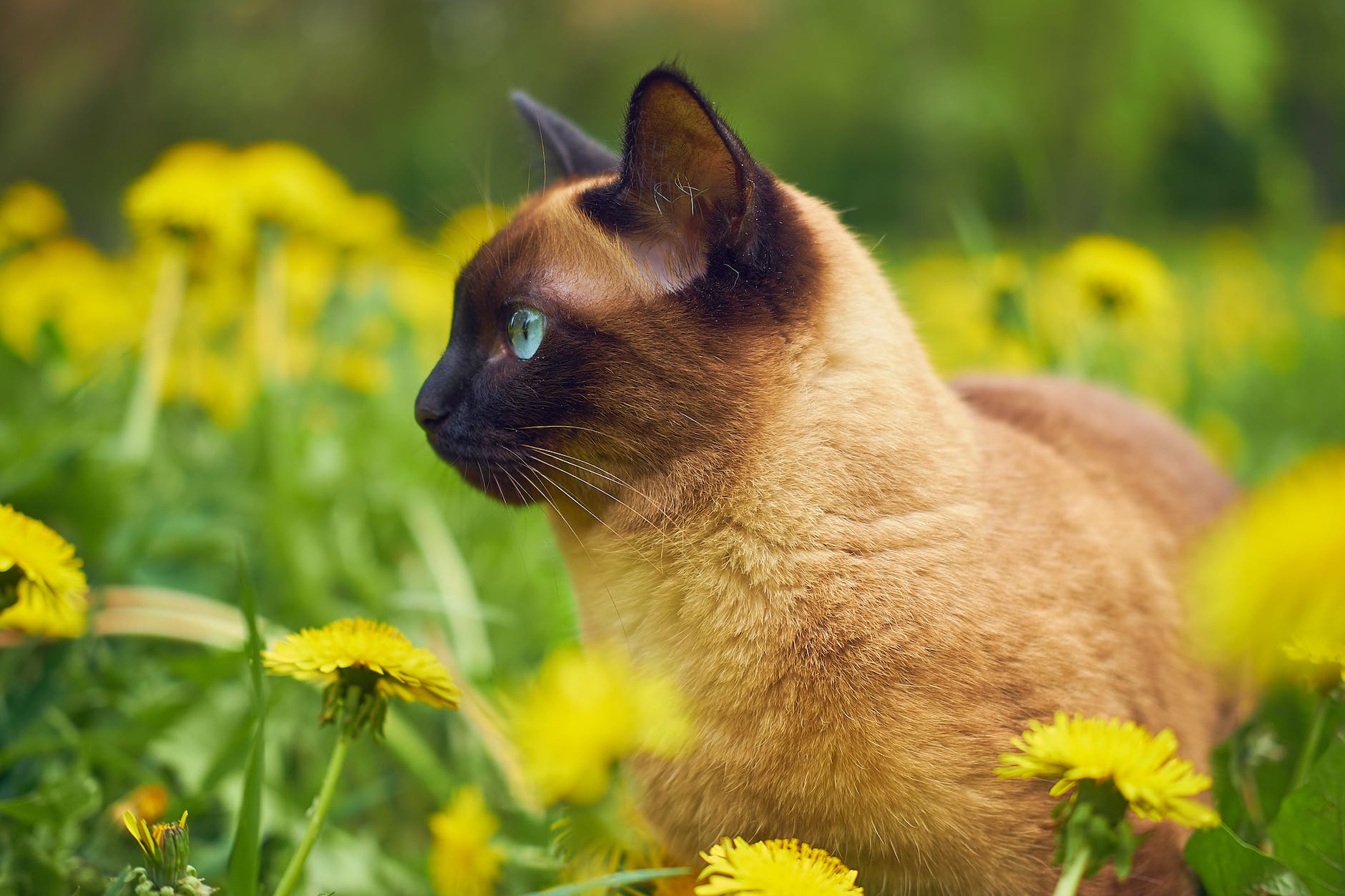
The Siamese is one of the oldest known breeds. It belongs to the group of cat breeds known as the Orientals. Its head is triangular and wedge-shaped with a gently sloping plane. The nose is long and straight. The Siamese’s eyes are a watery blue. Many people describe a Siamese’s eyes as “almond-shaped”. Their ears are triangular and curved at the tips.
The fur color variations include seal point, chocolate point, blue point, lilac point, red point, cinnamon point, caramel point (no, these aren’t made up), cream point, fawn point, apricot point, tabby point (which is basically a tabby siamese that can come in the colors seal, blue, lilac, red, fawn, and apricot) tortie point (tortoiseshell), and even white.
These cats are very vocal, and do not hesitate to raise their distinct voices if want they want is not provided. Gentle and affectionate, yet playful and energetic, this breed has lots of personality. They tend to be rather clingy in terms of attention, and to not like to be left alone for long periods of time.
Persian
Origin: Iran (Persia)
Coat length: longhaired
Possible health problems/complications:
Brachycephalic airway obstructive syndrome
Tear duct drainage
Polycystic kidney disease (PKD)
Hypertrophic cardiomyopathy (HCM)
Feline lower urinary tract disease
Progressive retinal atrophy
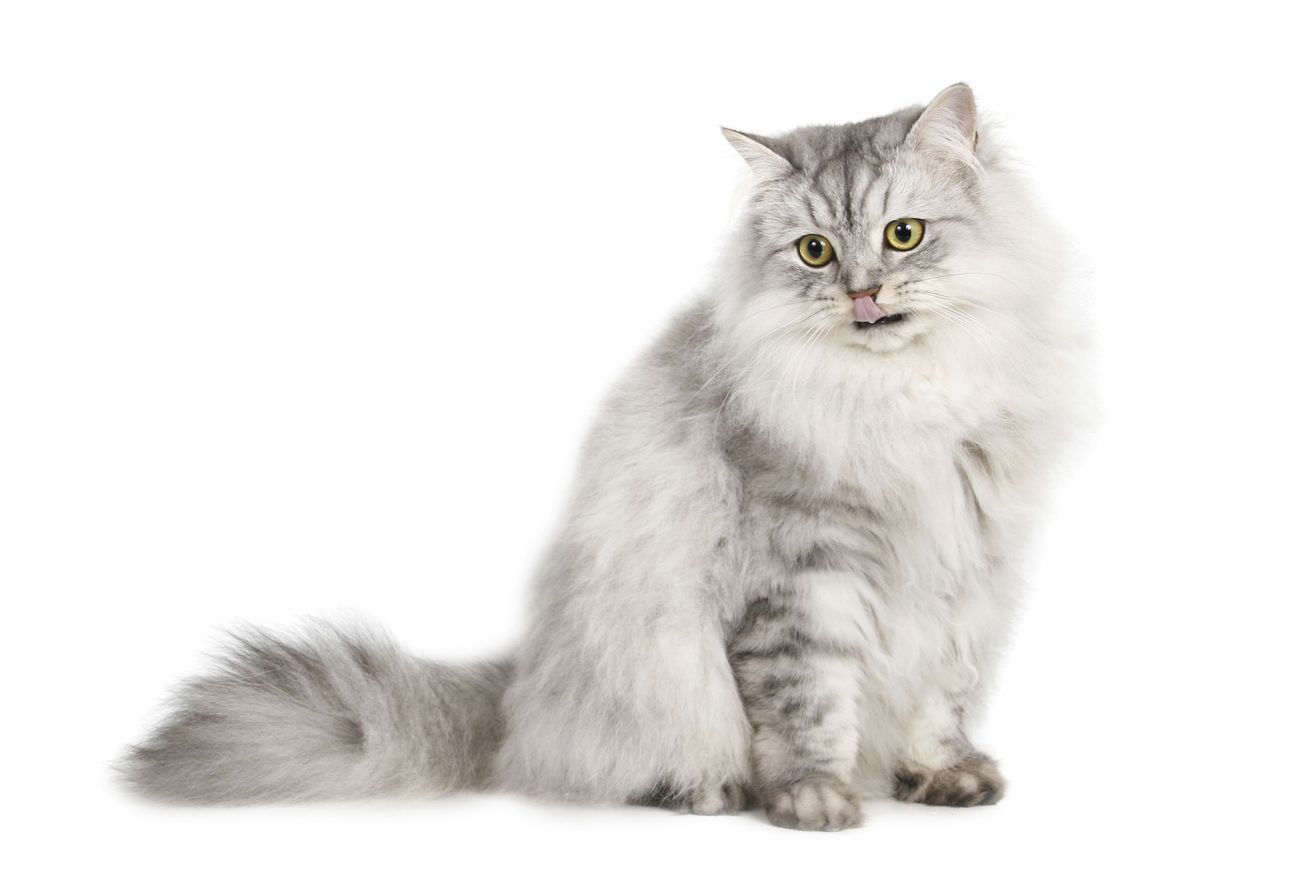
The Persian is probably one of the most diverse and longest-known pedigrees. They have broad chests and thick, sturdy legs. The paws are quite large, and the ears are gently rounded at the tips. The fur is thick and fluffy, almost cotton-like, and the tail is gorgeous and full. The nose is flat and smushed against the face, giving some Persians a “grumpy” appearance. (The nose may be more smushed in some cats.) Despite this, Persians are very affectionate and loving pets. Their coat does however, require a good amount of grooming in order to prevent matting.
The coat varieties include black, white, chocolate, blue, lilac, red, cream, tortoiseshell bi-color, tortoiseshell, tabby chinchilla, golden, shaded silver, smoke, cameo, pewter, colorpoint, chocolate tortie, chocolate torbie, calico van, blue-cream, dilute calico, blue-cream smoke, lavender and white, chocolate and white, black and white, blue and white, cream and white, red and white, lavender, lavender tabby, silver tabby, red tabby, blue tabby, brown classic tabby, torbie, cream smoke, blue smoke, black smoke, blue-cream smoke, tortie smoke, tortie cameo, cream shaded cameo, cream shell cameo, and red shaded cameo. Whew!
Persians are generally calm indoor companions, but they can have a bit of a silly side, too. Plus, their coats are super soft and cuddly!
Scottish fold
Origin: Scotland
Coat length: Shorthaired and longhaired
Possible health problems/complications:
Polycystic kidney disease (PKD)
Hypertrophic cardiomyopathy (HCM)
Degenerative joint disease
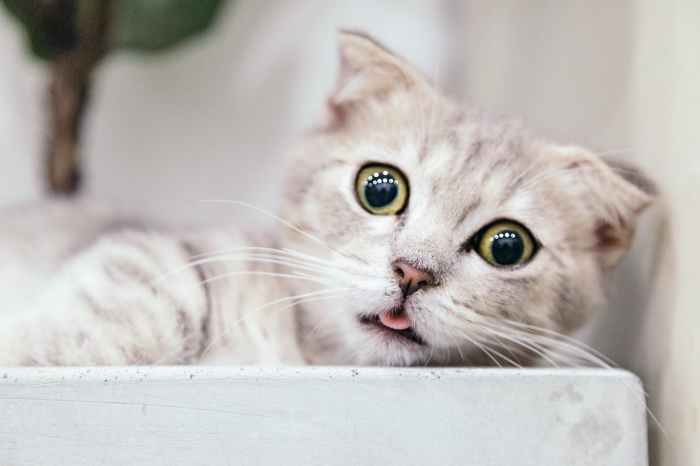
The Scottish fold is has a unique genetic mutation that causes the ears to fold downwards. They are generally quite chubby cats with short legs The first Scottish fold was white, long-haired cat called Susie, who was found at a farm near Coupar Angus in Perthshire, Scotland. These cats are a rarer breed that comes in almost any coat color or pattern. They can also come in either the longhaired or the shorthaired variety.
Gentle and affectionate, this breed is a perfect companion for someone who wishes for a quieter cat. They are generally relaxed and friendly lap cats that love to snuggle. They can also be very playful and love for their owners to be involved in their fun activities. Not every Scottish fold is a lap cat, but they do naturally want to be close to you.
Sphynx
Origin: Canada
Coat length: hairless (although they can have sparse hairs spread around their bodies)
Possible health problems/complications:
Hypertrophic cardiomyopathy (HCM)
Temperature-sensitive
Skin conditions
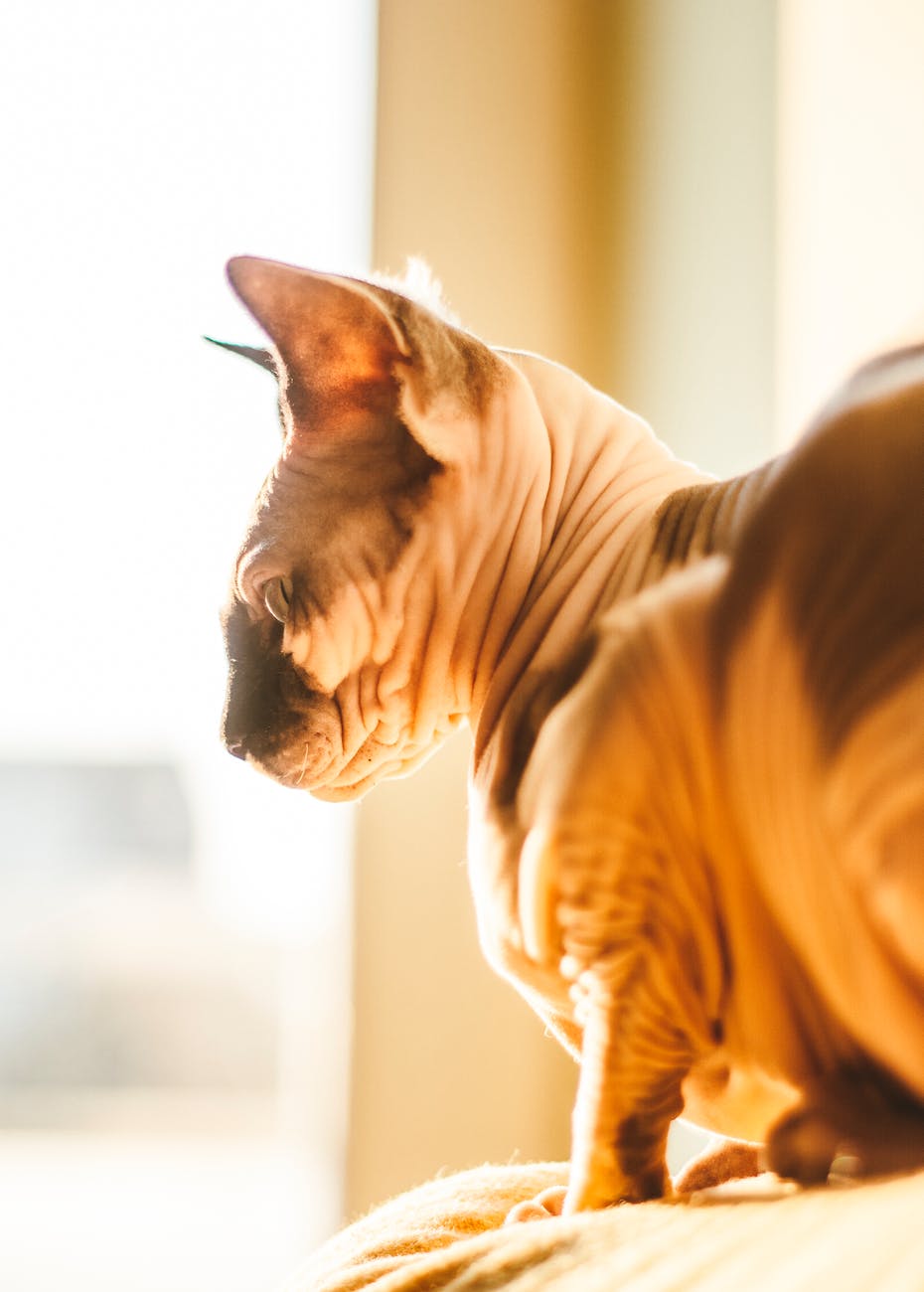
Despite its bizarre hairless feature, sphynx actually make great pets. They tend to be very vocal, however, much like its Siamese cousin. These cats are less commonly bred, so it may be hard to find one to adopt. Their temperament is neutral, and they are typically gentle. Sphynx cannot be exposed to bright sunlight for long periods of time, as they can get sunburned due to their lack of fur. They also need frequent baths and plenty of moisturizers to keep their skin in healthy condition.
Birman
Origin: Myanmar
Coat length: longhaired
Possible health problems/complications:
Hypertrophic cardiomyopathy (HCM)
Feline Infectious Peritonitis
Congenital cataracts
Hemophilia B
Early renal failure
The beautiful Birman is a very popular breed, noted for its sweet and gentle nature. These cats are perfect pets, mainly because they are not desperate for attention, and are very tolerant of children, particularly toddlers. The Birman has a strikingly attractive long-haired coat, which is cottony-soft. This may pose a problem for anyone with allergies, however, because Birman shed A LOT. They also require an owner who is dedicated to grooming them frequently, as their coats can become matted if they are not brushed often enough.
Chartreux
Origin: France
Coat length: shorthair
Possible health problems/complications:
Polycystic kidney disease (PKD)
Patellar luxation
Prone to obesity
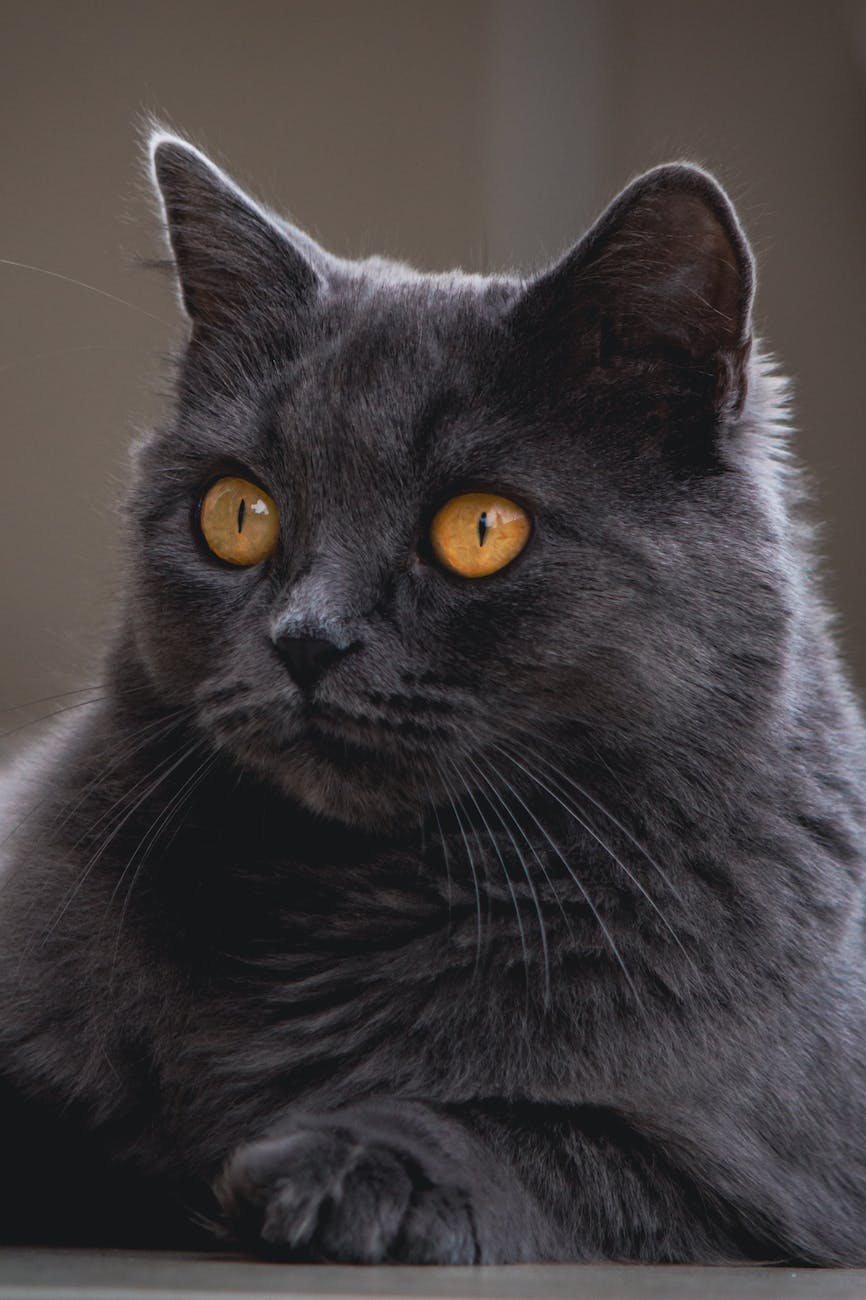
The lovely Chartreux’s color variations include any shade of blue-gray from ash to slate. They tend to have short, dense, and slightly woolly coats , though the females may have a silkier, thinner pelt. The tips of the hairs are silvery, giving the cat an iridescent appeal as it moves. The eye color ranges from coppery yellow to orange.
They are usually very aware of changes in their diet, and older Chartreux may need to be switched to a lower-calorie cat food so that they do not put on too much weight.
The Chartreux is a cat full of affection, humor, and personality. These cats are highly intelligent and are quick to learn their name, generally coming when called. They are very affectionate, but not clingy, and are capable of entertaining themselves, while they love to play with their owners.
Manx
Origin: Isle of Man
Coat length: shorthaired and longhaired
Possible health problems/complications:
Prone to obesity
Feline lower urinary tract disease
Hind leg weakness or paralysis
Constipation
Manx Syndrome
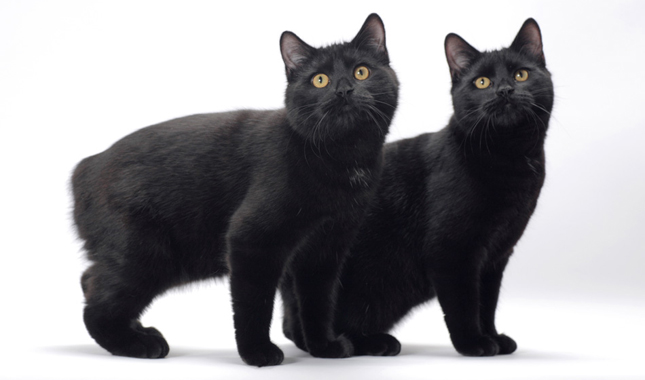
The affectionate Manx is a cat known best for its stumpy or nonexistent tail. The eyes can be deep blue, copper, green, blue-green, or a beautiful hazel. They can also be white and odd-eyed, with one blue eye and one copper eye. The coat can come in any color.
Manx are usually quite even-tempered, but an older Manx may have difficulty adjusting to the activity of children. This is because Manx tend to prefer a quieter and more settled environment. If you live in a loud and busy household, a Manx may not be the right choice for you.
Manx should be combed daily. A rumpy Manx has no tail at all, so feces will sometimes cling to the close hairs surrounding the anus. This can be very messy and can become smeared on the floor or anything the cat climbs upon after using the litter box.
 Kittentummies.com